
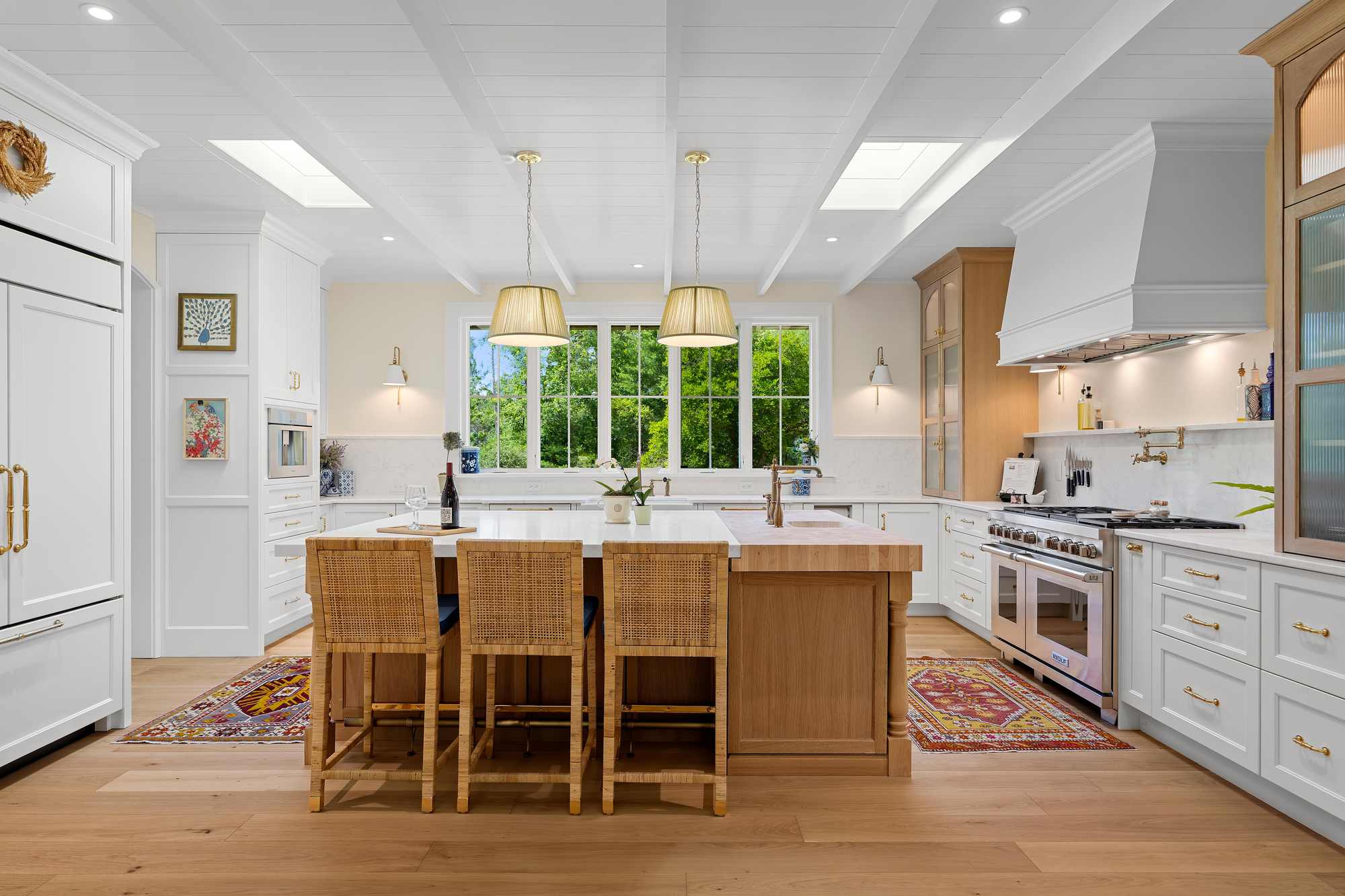
People often use remodeling and renovation to mean the same thing. In everyday conversation, that usually isn’t a problem. But when you’re planning a project, setting a budget, and trying to understand how much work is actually involved, the difference matters.
A renovation typically updates the look and finishes of an existing space. A remodel changes something more fundamental, such as the layout, structure, or function of the home. That usually means more construction work, a larger budget, and a longer timeline.
What Is the Difference Between Remodeling and Renovation?
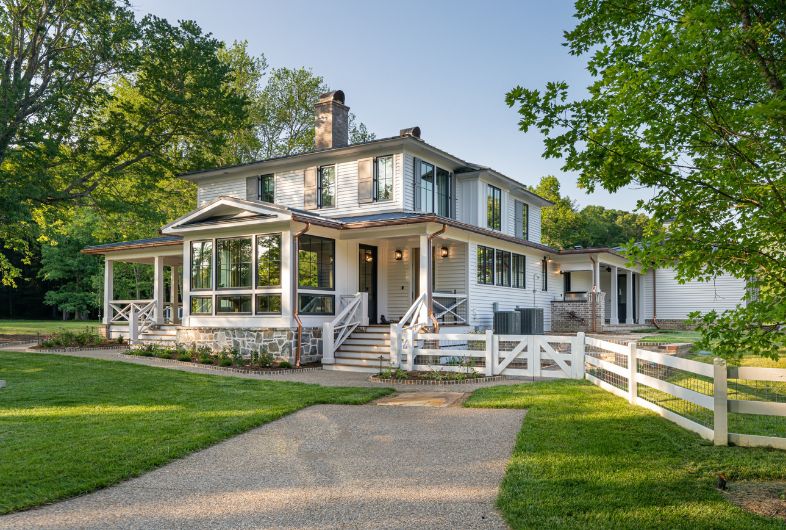
The simplest way I explain it is this: renovation works with the home you already have, while remodeling changes how that home is built or how the space functions.
A renovation might include:
- New flooring
- Updated lighting
- New plumbing fixtures
- Fresh paint
- New countertops
- Cabinet refinishing or replacement
- Updated finishes and hardware
The basic layout stays largely the same. You are improving the space without substantially changing its structure.
A remodel goes further. It may involve:
- Removing or relocating walls
- Changing room layouts
- Expanding the footprint of the home
- Moving plumbing or electrical systems
- Adding new rooms
- Reworking kitchens or bathrooms
- Changing how one part of the home connects to another
At that point, you are no longer simply updating the existing space. You are changing the bones of the home.
That difference can have a major impact on design, engineering, permits, construction costs, and the overall timeline.
Why Do Renovations Often Turn Into Remodels?
We see this happen regularly.
A homeowner may come to us thinking they want to update an older kitchen, bathroom, or living area. The original idea is fairly simple: improve the finishes, make the room feel more current, and work within the existing layout.
Then we start talking about how the family actually uses the space.
Maybe the kitchen feels disconnected from the living room. Maybe storage is limited. Maybe a wall blocks natural light. Maybe the primary bathroom technically works, but the layout has never really made sense.
Once those conversations begin, the project starts changing.
Instead of replacing cabinets, we may be discussing moving a wall. Instead of updating a bathroom within the existing footprint, we may be considering an expansion. Instead of renovating one room, we may realize several connected spaces need to be redesigned together.
What started as a cosmetic renovation has become a remodel.
In our experience, that shift is common because homeowners are rarely investing this much time and money simply to make an outdated space look newer. They usually want the home to work better too.
Why Does the Scope of a Remodeling Project Grow?
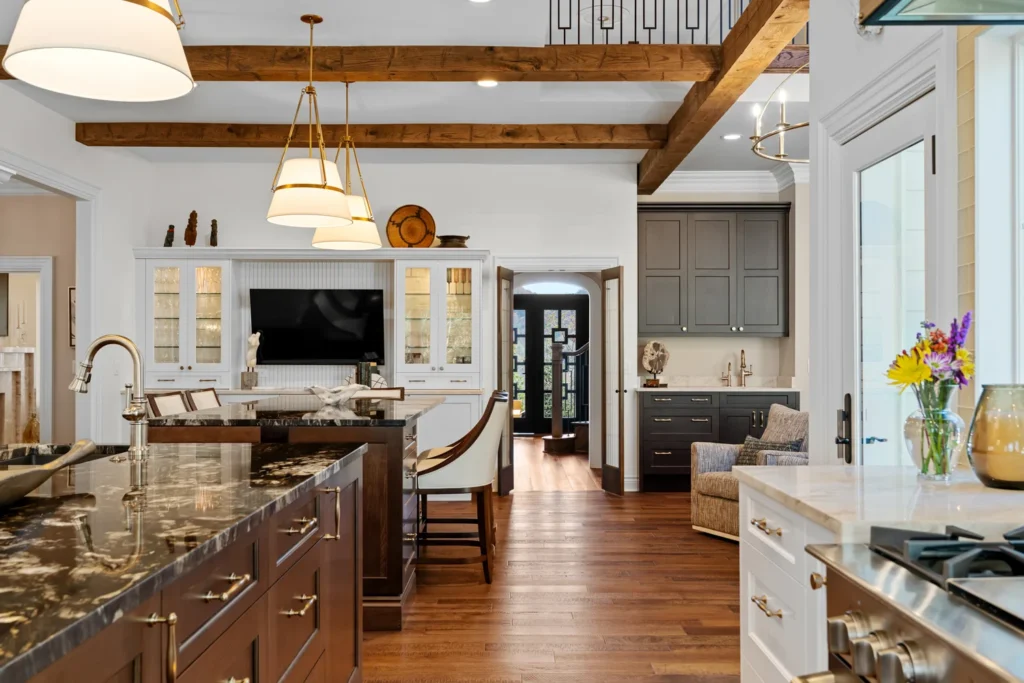
Most projects begin with logical decisions.
Homeowners look at what needs to be updated, think about what they can afford, and create a fairly defined list of priorities.
But a home is personal.
Once someone starts seeing design options, opening walls, imagining new layouts, or understanding what could be possible, the decision-making process changes.
That is where emotion naturally becomes part of the project.
You might originally plan to keep the kitchen footprint exactly the same. Then you realize moving one wall could give you the island you have always wanted.
You might plan to update a bathroom without changing the layout. Then you see an opportunity to create a larger shower or improve storage by borrowing space from the room next door.
Those are understandable decisions. The challenge is that every change can affect the scope, budget, and schedule.
That is why we try to identify those possibilities before construction begins.
How Should You Budget for a Renovation or Remodel?
One of the most important conversations we have with clients happens before design gets too far along.
We ask what they want to accomplish, but we also ask what they realistically want to invest.
Those are two different questions.
The goal is to design and build a project that fits both.
We also encourage homeowners to think about their budget as a range rather than one fixed number. A realistic range gives the project some flexibility as decisions are made and priorities become clearer.
For example, you may have features you absolutely want, others you would like if the budget allows, and a few ideas that can be scaled back if necessary.
That makes it easier to adjust the scope without feeling like the entire plan has gone off track.
A single hard number can make that much more difficult, especially if the project changes from a straightforward renovation into a structural remodel.
Why Is It Better to Define the Scope Before Construction?
The earlier we understand what the homeowner really wants, the better we can plan for it.
Changing a layout during the design phase is very different from deciding to move a wall after construction has already started.
Good planning gives the design team, builder, engineers, trades, and homeowner a clearer picture of the project before work begins.
It also helps reduce avoidable surprises.
There will always be some unknowns when working with an existing home. Once walls, floors, or ceilings are opened, conditions may appear that no one could fully see beforehand.
But changes in preference are different from unforeseen conditions.
If we can work through the homeowner’s priorities, potential layout changes, and budget flexibility early, we can keep those mid-project decisions to a minimum.
Does It Really Matter Whether You Call It a Remodel or Renovation?
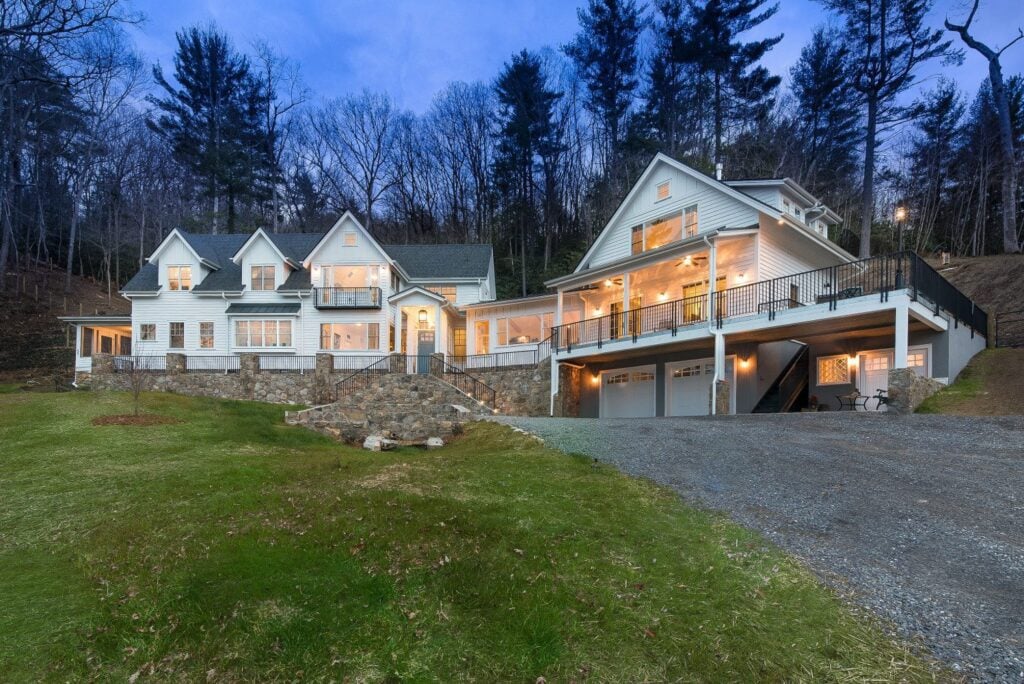
Not nearly as much as understanding what the project actually involves.
For years, I probably leaned toward the word “renovation” because it sounded like a more substantial or higher-quality project. But the terminology itself is not what determines the quality of the work.
A beautifully executed renovation can completely transform how a home feels.
A well-planned remodel can completely transform how a home functions.
What matters is knowing which type of project you are really planning before you establish the budget and construction schedule.
If walls are moving, rooms are being reconfigured, systems are relocating, or the footprint is expanding, you should probably be thinking about the project as a remodel rather than a simple renovation.
That gives you a much more realistic starting point.
What Should You Discuss With a Builder Before Starting?
Before moving forward, make sure you and your builder are talking about more than finishes.
Some of the most useful questions include:
- Are we keeping the existing layout?
- Will any walls need to move?
- Are we changing plumbing or electrical locations?
- Could the project require structural engineering?
- Are we expanding the home’s existing footprint?
- Which parts of the project are priorities?
- Which features could be adjusted if the budget changes?
- What potential conditions could be uncovered during construction?
- What budget range makes sense for the scope we are considering?
These conversations help establish expectations before drawings are completed and construction begins.
How Can Living Stone Help With a Remodel or Renovation?

At Living Stone Design + Build, we look at the project as a whole rather than separating design decisions from construction realities.
That matters especially with renovations and remodels because one seemingly simple design change can affect structure, mechanical systems, materials, scheduling, and cost.
Our goal is to understand how you want the home to look, how you want it to function, and what you are comfortable investing before major decisions are locked in.
If you are considering updating your home and you are not sure whether you need a renovation or a full remodel, that is a useful conversation to have early.
Reach out to Living Stone Design + Build. We can help you understand the likely scope of the project, where the biggest decisions will be, and what budget range you should realistically be considering.
Frequently Asked Questions
Is remodeling more expensive than renovation?
Usually, yes. Remodeling often involves structural changes, layout modifications, engineering, permitting, and more extensive labor. Renovation typically focuses more on finishes and updates within the existing layout.
Can a renovation become a remodel?
Yes. This happens frequently when homeowners decide they want to move walls, relocate plumbing, expand rooms, or change how the space functions after the original project has been discussed.
Does replacing a kitchen count as a renovation or remodel?
It depends on the scope. Replacing cabinets, countertops, flooring, and fixtures within the same layout is generally a renovation. Moving walls, relocating plumbing, or substantially changing the kitchen layout would usually be considered remodeling.
Is a bathroom update considered remodeling?
A cosmetic bathroom update can be considered a renovation. If you are moving fixtures, changing the room layout, expanding the bathroom, or altering structural elements, the project is closer to a remodel.
Should I set a fixed budget for a home remodel?
It is usually more practical to establish a realistic budget range. This gives you room to prioritize certain features, adjust the scope, and respond to decisions or existing conditions that may come up during the project.