
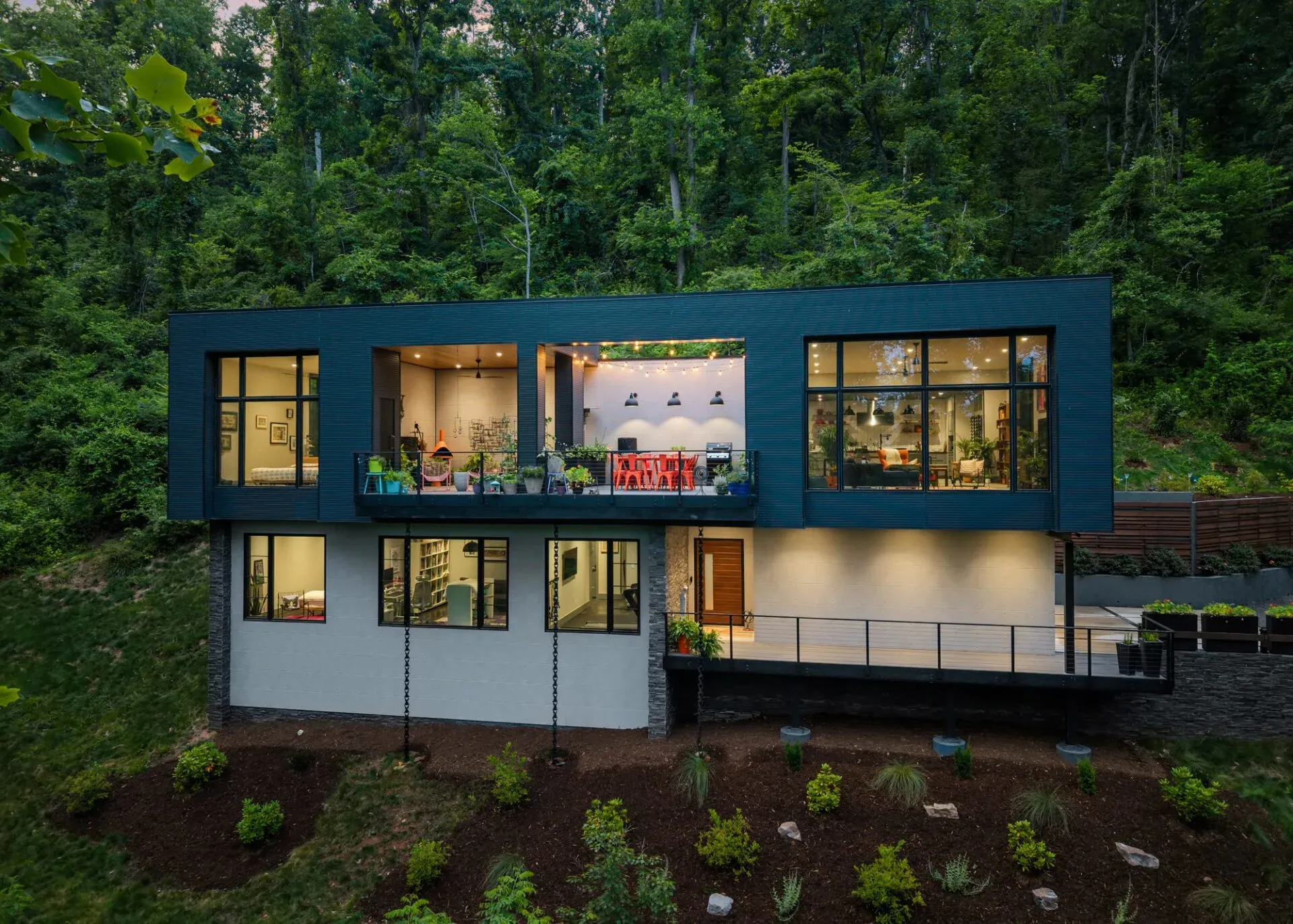
No home in Western North Carolina can be guaranteed fireproof. You can, however, build a fire-resistant home that reduces the chances of ignition through carefully selected materials, ember protection, and defensible space. Even a home that meets the IBHS Wildfire Prepared Home standard is not guaranteed to survive a wildfire.
I hear this question from people planning a move to the mountains, often because they have seen what wildfire can do elsewhere. When we discuss building a custom home in Asheville, I want that concern translated into specific decisions about the house and the land around it.
The useful question is what we can do to reduce the risk on your particular property, and what those choices will add to the budget.
What Does “Fireproof” Really Mean When Building a Home?
Most people asking for a fireproof home want a house that is less likely to catch fire during a wildfire. That is a reasonable goal, but the word “fireproof” promises more than construction can deliver.
Wildfire can reach a home through airborne embers, direct flames, or radiant heat. A material that resists one kind of exposure does not make the whole house immune to the others. The N.C. Forest Service’s roofing guidance explains why the roof, openings, and accumulated debris all need attention.
That is why I prefer to discuss a fire-resistant home as a complete system. The roof matters, but so do the vents beneath it, the deck attached to the house, and the landscaping beside the foundation.
Why Is Wildfire Resistance Relevant in Western North Carolina?
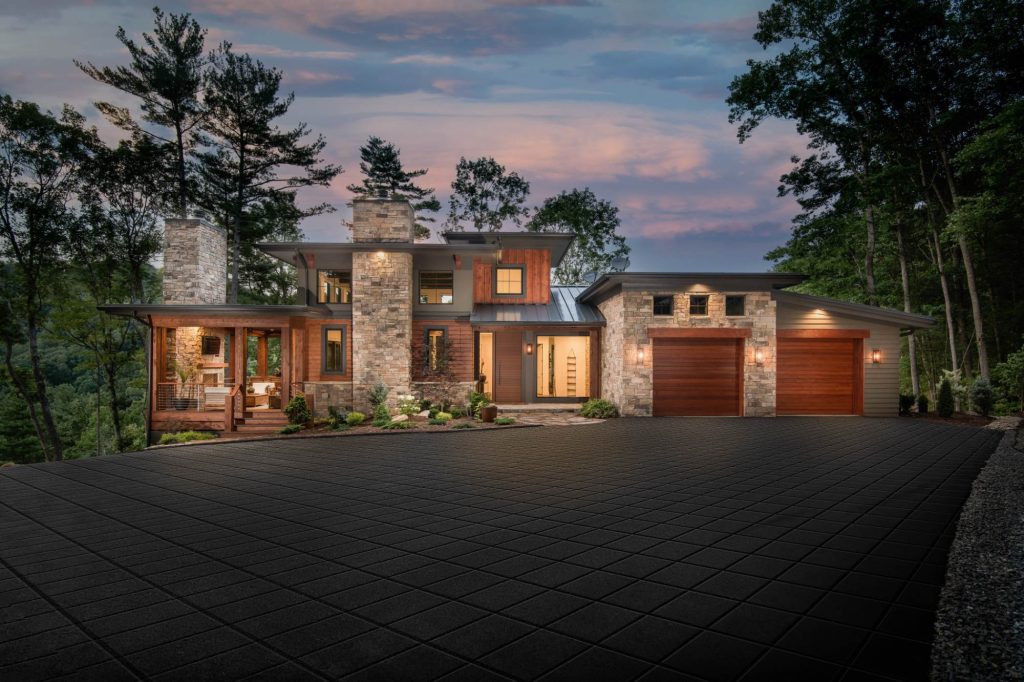
Wildfire preparation belongs in the conversation about building in the mountains. The N.C. Forest Service specifically identifies Western North Carolina as an area where downed timber left by Hurricane Helene has increased the need for preparation.
For a wooded homesite, I would bring the builder and landscape designer into that conversation early. You need a plan that considers the house, nearby vegetation, and how the property will be maintained after move-in.
This is one part of planning for local conditions. Our article on the best time to build in Western North Carolina covers the weather considerations that also shape construction here.
Which Building Materials and Details Help Reduce Wildfire Risk?
At Living Stone, durability and maintenance already influence many of our material choices. Our work includes cementitious exteriors, metal roofs, and aluminum-clad windows, but those descriptions alone do not establish wildfire performance. We still need to review the specific products and how they are installed.
A Class A Roof With the Right Installation Details
A Class A roof covering or roof assembly provides the highest classification for external fire exposure. Metal is one option, but some asphalt composition shingles also achieve Class A performance. The material name alone is not enough; ask your builder to confirm the rating of the proposed system.
Leaves and pine needles can still ignite on or beside a rated roof. Roof edges, gutters, and places where debris collects need attention during both construction and maintenance.
Vents That Limit Ember Entry
The IBHS technical standard identifies wind-blown embers as the leading cause of home ignitions. Ask how attic and crawl-space vents will resist ember entry, including how the joints around those vents will be installed.
Exterior Walls, Eaves, and Windows
Fiber-cement, masonry, stucco, and metal are examples of noncombustible exterior materials identified in the IBHS construction requirements. Enclosed eaves and suitable glazing also form part of its higher level of protection.
An aluminum-clad window should not be treated as a complete wildfire specification. The glass and the rest of the assembly need to be considered too.
Decks and Porches Designed as Part of the House
A burning deck can carry fire to siding and windows. The N.C. Forest Service’s deck guidance recommends considering the deck materials, its design, and the area beneath and around it together.
Metal framing is one option we discuss, but it does not make a deck fireproof. The walking surface, railings, connections, and anything stored underneath also matter.
Include these choices in the budget from the beginning. Our explanation of how outdoor living space affects cost per square foot shows why decks and covered porches need a clearly defined scope.
How Should You Landscape Around a Fire-Resistant Home?
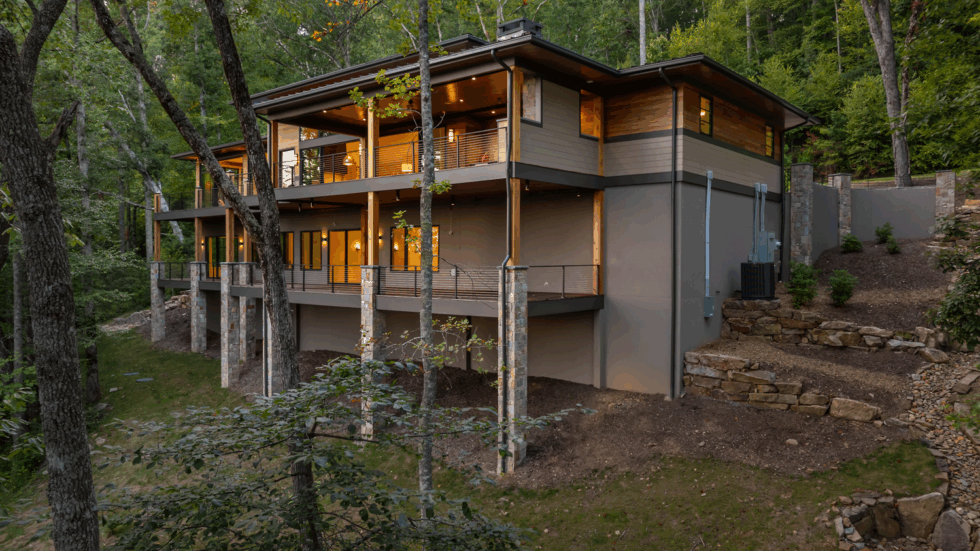
Start with the area closest to the house. Federal defensible-space guidance recommends a noncombustible zone extending five feet around the home, using materials such as gravel, stone, or pavers instead of vegetation and combustible ground cover.
River rock is one option we discuss with clients. A narrow decorative strip, however, should not be mistaken for a complete five-foot zone. The design needs to account for the home and its attachments.
Beyond that immediate area, defensible space means managing vegetation and other fuel so fire has fewer opportunities to spread toward the house. The federal guidance addresses zones extending 5–30 feet and 30–100 feet, with spacing affected by conditions such as slope.
For a mountain property, get site-specific advice before deciding which trees or plants to remove. The goal is a maintained landscape with appropriate spacing and less combustible material near the home.
What Does This Look Like on a Living Stone Project?
One example from our work is a home in Sprout, a neighborhood in Hendersonville, for a client relocating from Miami. Wildfire resistance became part of the conversation about how that home should be built.
It reflects something I hear from clients moving here from different parts of the country. They want to enjoy a wooded mountain setting and understand what can be done to protect their investment.
My approach is to review the proposed materials first, identify the remaining vulnerabilities, and explain the available changes. That gives the client a scope they can evaluate rather than a broad promise of a “fireproof home.”
How Much Does Fire-Resistant Construction Add to the Budget?
On projects where our starting specifications already include many of the materials we would want, I have estimated certain additional wildfire-resistance measures at roughly 1–2% of the construction budget. That is an experience-based estimate for a particular starting point, not a standard price for every home.
The amount depends on what is already included and what needs to change. Deck construction, window specifications, vent protection, and site work can produce different costs from one project to another.
Ask for an itemized comparison showing the original specification and the proposed upgrade. You should be able to see what each change costs and which vulnerability it addresses.
I would also ask your insurance agent about any available credits before finalizing the plans. A discount should not be assumed or used to justify the budget until the insurer confirms what it will recognize.
What Should You Ask Your Builder Before Approving the Plans?
The IBHS Wildfire Prepared Home guidance is a useful starting point for a detailed discussion. Its current levels are called Essential, focused on ember protection, and Enhanced, which adds protection against flames and radiant heat.
IBHS’s current program announcement does not list North Carolina among the states where its designation program is available. Use the research to inform the design, and confirm eligibility directly before pursuing or claiming a designation.
Ask your builder:
- What fire rating will the roof covering or assembly have?
- How will the vents and nearby openings resist ember entry?
- Which siding, eave, window, and deck details are being specified?
- How will the five-foot noncombustible zone be incorporated into the landscape?
- What is included in the contract, and what will the homeowner need to maintain?
- What will each proposed upgrade add to the budget?
I would expect clear answers and written specifications. If a builder describes the house as fireproof, ask exactly what that claim means.
What Maintenance Will the Home Still Need?
Fire-resistant construction still needs routine care. Keep roofs and gutters free of leaves and pine needles, remove debris from deck gaps, and avoid storing combustible items beneath decks.
Recheck the area around the house as the landscaping grows. A planting plan can change over time, and leaves can collect in a stone border just as they do elsewhere.
No building feature replaces an evacuation plan or instructions from emergency officials. The aim is to reduce the home’s vulnerability while keeping people’s safety first.
What Else Should You Know About Fire-Resistant Homes?
Can a Metal Roof Make a House Fireproof?
No. A properly rated metal roof can contribute to wildfire resistance, but the vents, walls, windows, attached structures, and surrounding fuel still need attention.
Does Steel Deck Framing Make the Entire Deck Noncombustible?
No. Steel framing addresses one part of the structure. Decking, railings, stairs, and other components must also be evaluated before the whole deck can be described as noncombustible.
Can You Improve Wildfire Resistance on an Existing Home?
Yes. The IBHS guidance identifies retrofits as a route to improving protection. The right starting point depends on the home’s existing materials, openings, and surroundings, so assess those vulnerabilities before choosing upgrades.
Will Wildfire-Resistance Measures Lower My Insurance Premium?
They may, but do not assume a reduction. Ask your insurer which measures qualify for recognition and what documentation it requires before including any savings in your financial plan.
Do Fire-Resistant Materials Protect Against Every Kind of House Fire?
No. This article focuses on wildfire exposure. The IBHS designation program does not address non-wildfire fire safety, so these measures do not replace the home’s other fire-safety provisions.
How Can You Plan a More Fire-Resistant Custom Home?
Bring wildfire concerns into the first conversation about your property. It is easier to compare materials, deck designs, and landscaping options while the plans and budget are still being developed.
Living Stone Design + Build can help you review those choices for your Western North Carolina homesite. We will explain the proposed materials and measures, how they fit the design, and what they would add to the scope.